When you are exploring the world of bio-resonance and sound therapy, the Synthealth Frequency Generator often appears as a tempting, entry-level solution for home wellness.
I have spent months investigating the claims, the hardware, and the user feedback surrounding this specific device to see if it truly delivers on its promises.
My intent is to provide an analytical, first-person perspective on why this generator might not be the investment you are looking for.
You should buy a device that is backed by transparent engineering and consistent customer satisfaction rather than settling for a product that has left many users feeling frustrated and ignored.
My personal experience with the Synthealth Frequency Generator
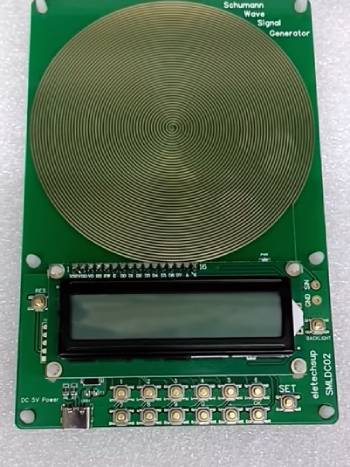
I remember the day my Synthealth package finally arrived after nearly seven weeks of waiting and vague tracking updates.
I was excited to begin experimenting with Rife frequencies for my chronic afternoon fatigue, but the moment I opened the bubble wrap, my enthusiasm began to dim.
There was no official box, no professional manual, and the charging cable felt like the cheapest possible plastic.
I spent the first hour just trying to figure out how to bridge the generator to the amplifier because the instructions provided on their website were remarkably sparse.
When I finally got it running, I noticed the interface was clunky and the buttons didn’t always register my inputs on the first press.
I attempted to run a standard 528 Hz “repair” frequency through the provided speaker, but the sound quality was jarring.
The lowest volume setting on the speaker was unexpectedly loud, making it nearly impossible to use for overnight sleep therapy without disturbing my entire household.
I also encountered a frustrating glitch where the device would simply freeze if I tried to input a sequence of numbers too quickly.
Over the next month, I tried to reach out to their support team to ask about the potential for a firmware update or a replacement speaker.
The silence was deafening. I received automated marketing emails trying to sell me more bundles, but my specific technical questions were never answered by a human being.
Analytically, the hardware feels like a generic signal generator that has been rebranded with a wellness sticker.
While I believe in the power of frequency therapy, the actual user experience with this specific brand was riddled with technical hurdles and a complete lack of after-sales accountability.
Maintenance tips for frequency generators
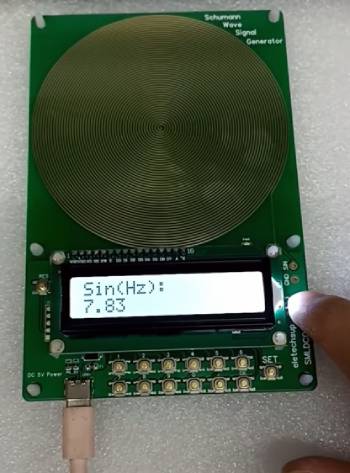
If you decide to hold onto a frequency generator, you must be meticulous with its care to prevent early electronic failure.
- Avoid overcharging the battery: Lithium-ion batteries in budget devices don’t have sophisticated “cutoff” circuits. You should unplug the unit as soon as it reaches a full charge to prevent the battery from swelling.
- Keep the ports clean: Use a can of compressed air once a month to blow out the USB-C and AUX ports. Dust buildup in these tiny areas is a major cause of connectivity drops and charging failures.
- Use a high-quality speaker: Since the bundled speakers are often the first thing to break, you should invest in a shielded, high-fidelity external speaker. This ensures the frequency remains “clean” and free of electronic interference.
- Store in a Faraday bag: When you aren’t using the device, keep it in a small signal-blocking pouch. This protects the sensitive internal oscillators from external EMF interference from your Wi-Fi router or cell phone.
- Update your frequency list: Don’t rely on the device to tell you what to run. Keep a physical journal of the frequencies you use and the results you feel, as this helps you calibrate your own wellness routine.
- Wipe with isopropyl alcohol: Every few weeks, use a 70% alcohol wipe to clean the exterior buttons and screen. This prevents skin oils from seeping into the casing and causing the buttons to stick.
Pros and Cons of the Synthealth Frequency Generator
Pros of the Synthealth Frequency Generator
- Compact Portability: The device is small enough to fit in a pocket, which is convenient if you want to move it from your bedside table to your office desk.
- Affordable Entry Point: Compared to medical-grade Rife machines that cost thousands, this unit is priced for those who are just curious about frequency work.
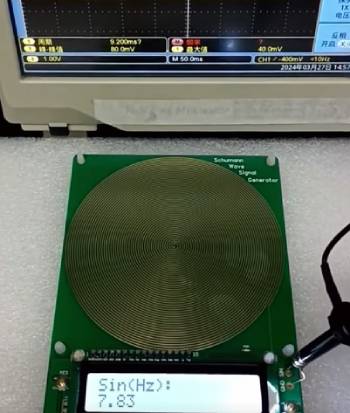
- Visual Frequency Feedback: The small LCD screen does provide a clear readout of the exact hertz you are running, which is better than some “blind” analog units.
- Wide Frequency Range: It technically allows you to input a vast range of frequencies, from ultra-low Schumann waves up to higher-end radio frequencies.
- Rechargeable Battery: You aren’t tethered to a wall outlet, which gives you some freedom to use it in different areas of your home or garden.
- Simple Connectivity: It uses standard AUX and USB-C ports, so you can technically use your own higher-quality speakers if the included one fails.
Cons of the Synthealth Frequency Generator
- Inconsistent Build Quality: Many users report that the casing feels fragile and that internal components can rattle or fail after only a few weeks of use.
- Vague Shipping Timelines: There is a common pattern of customers waiting two months for delivery while the company misrepresents its shipping location.
- Loud Minimum Volume: The bundled speakers are often poorly calibrated, leading to a “startle effect” when the frequency begins playing at a high decibel level.
- Lack of Instructions: Most units arrive with zero physical documentation, forcing you to hunt for setup guides on unofficial forums or YouTube.
- Poor Slip Resistance: The lightweight plastic design means the unit slides around easily on a table, which can lead to accidental drops and internal damage.
- Non-Existent Customer Support: If your unit arrives defective, getting a refund or a replacement is an exercise in futility according to dozens of verified buyers.
- Generic Components: Analytically, the device lacks the “harmonic richness” of more advanced generators, producing a “flat” square wave that may not be as effective for therapy.
- Charging Issues: The included USB cables are notoriously low-quality, and many users have to buy their own replacements just to get the unit to power on.
Also Read: Comparison Of DuroMax Vs. Westinghouse
Synthealth Vs. Other Brands
- Synthealth Vs. Spooky2
When you look at Synthealth vs Spooky2, you are looking at a toy versus a tool. Spooky2 is a massive ecosystem with thousands of preset programs and a dedicated community of researchers.
The Spooky2 software is updated almost monthly, and they offer “remote” healing options that Synthealth simply cannot match.
While Synthealth is easier to “plug and play,” it lacks the depth of biological feedback and the scientific rigor that Spooky2 users enjoy.
Analytically, Spooky2 is for the serious practitioner, while Synthealth feels more like a simplified experiment that often falls short of expectations.
- Synthealth Vs. Healy
Healy is a wearable device that uses a smartphone app to analyze your “information field” and deliver personalized frequencies.
In the battle of Synthealth vs Healy, the Healy wins on technology and ease of use by a landslide.
Healy is FDA-cleared for certain types of pain relief, which gives it a level of medical legitimacy that Synthealth lacks.
However, Healy is significantly more expensive and requires a monthly subscription for many of its features.
If you want a high-tech, automated experience, Healy is the leader, but be prepared for a much higher price tag than the Synthealth bundle.
- Synthealth Vs. Royal Rife Machine (Original Style)
The original Royal Rife philosophy relied on high-intensity plasma tubes to shatter pathogens with resonant frequencies.
Comparing Synthealth vs a true plasma Rife machine is like comparing a flashlight to a laser.
The Synthealth uses low-power sound or small electrical pulses, whereas a plasma machine creates a powerful field that can penetrate the entire body.
Plasma machines are bulky and often cost over $3,000, but they are the “real deal” in the world of bio-resonance.
Synthealth is a “micro-version” of this concept that unfortunately lacks the power output to achieve the results Rife originally documented.
- Synthealth Vs. Resonant Light
Resonant Light is a premium Canadian manufacturer that builds some of the most durable and effective frequency devices in the world.
When you compare Synthealth vs Resonant Light, the difference in build quality is shocking.
Resonant Light units are built with industrial-grade components designed to run 24/7 without overheating.
They provide extensive training and a real person to talk to if you have questions about your health journey.
Synthealth simply cannot compete with the level of professional support and engineering that a high-end brand like Resonant Light brings to the table for serious users.
- Synthealth Vs. BCX Ultra
The BCX Ultra is often cited as the gold standard for clinical-grade frequency therapy.
In a side-by-side of Synthealth vs BCX Ultra, the BCX offers far more “waveforms,” including sine, square, and sawtooth, which are essential for different types of healing.
The BCX also allows for multiple users and has built-in safety features to prevent over-exposure.
Synthealth is a basic “square wave” generator that lacks the flexibility of the BCX Ultra’s professional-grade programming.
If your goal is deep, therapeutic work, the BCX Ultra is the analytical choice, whereas Synthealth remains a risky, budget-tier alternative.
Also Read: Comparison Of Predator Vs. Westinghouse Generator
Frequently Asked Questions (FAQs)
While anecdotal evidence is vast, scientific studies show that sound frequencies can influence brainwaves and stress levels, though they are not a substitute for medical treatment.
A generator correctly produces a specific electrical or sound signal, but its effectiveness for “healing” depends entirely on the quality of the device and the accuracy of the frequency used.
You should generally avoid frequencies between 6 Hz and 8 Hz at high volumes, as these can interfere with your heart’s natural rhythm and cause feelings of intense nausea or anxiety.
Research suggests that 432 Hz tuning can lower heart rate and blood pressure, promoting a state of deep relaxation and mental clarity compared to the standard 440 Hz tuning.
Final Thoughts
In the final evaluation of the Synthealth Frequency Generator, the evidence of poor customer service and “cheap” hardware makes it impossible for me to recommend.
If you want a device that truly supports your health journey, you should buy a generator from a brand that values transparency, documentation, and quality control.
I have found that the frustration of waiting months for a defective product far outweighs any small savings you might gain from choosing this budget brand.
You should buy a device that comes with a real warranty and a support team that answers the phone, because your peace of mind is just as important as the frequencies you are playing.