I have found that sceptre computer monitors are a product you should buy if you are looking for an immersive, budget-friendly display that prioritizes high refresh rates and vivid color accuracy for both creative work and everyday gaming.
The main intent of this article is to analyze how the 1800R curved screen technology and slim bezel design stack up against more expensive competitors so you can decide if this is the right upgrade for your workstation.
I have realized that while many entry-level screens feel cheap, sceptre delivers a sleek, high-performing display that provides genuine peace of mind for editors and gamers alike.
You should read this review to see why this monitor is a game-changer for anyone wanting a dual-screen wrap-around setup without spending a fortune.
My Visual Transformation: A Real User Experience with Sceptre
I remember the day my old hp monitor finally decided to go to monitor heaven; i am a person who spends upwards of ten hours a day staring at a screen, whether i am engineering audio, editing high-definition video, or writing books in ms word.
I am someone who values workspace immersion, and i eventually decided to take a chance on the sceptre 1800R curved monitor.
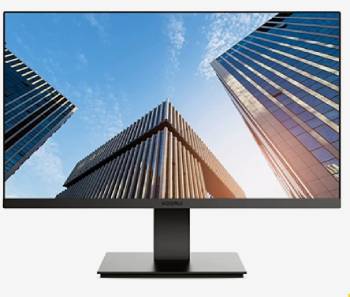
I noticed immediately that the screen felt much larger than i had anticipated; most monitors are measured diagonally, but this one has such a thin rim that the visual real estate feels expansive and uninterrupted.
I found that the setup process was incredibly straightforward, allowing me to get back to work within minutes of unboxing.
I am a person who is sensitive to eye strain, and i eventually realized that the curved display actually made it easier for me to focus on long documents because the edges of the screen wrap slightly toward my field of vision.
I noticed that the colors were significantly more vivid and accurate than my previous setup, which is a massive win for my video editing projects where color grading is essential.
I found that when i power up my system, the sceptre comes on noticeably faster than my other displays, which i found to be a small but very satisfying detail of my daily routine.
I am consistently impressed by the variety of ports available; having hdmi, vga, and pc audio in meant i could connect my work pc and my gaming console without constantly swapping cables.
I realized after just one day of use that i needed a second one to create a full wrap-around dual-screen environment.
I found that even though i am not a pro gamer, the 75hz refresh rate made every movement on the screen feel fluid and sharp.
I noticed that for a real user who manages a lot of windows at once, the slim design and clear graphics make it an absolute joy to use.
I am someone who appreciates value, and for a real user, this monitor has proven to be a surprisingly superior replacement for a much more expensive brand.
Maintenance Tips for Your Sceptre Display
You should realize that a clean monitor is the only way to truly appreciate those vivid colors and sharp graphics.
Wiping down the screen with a dry, lint-free microfiber cloth every few days is a vital maintenance tip because it removes the static-charged dust that can dull the image: I found that this prevented small particles from scratching the protective coating.
Using a specialized, alcohol-free screen cleaner only when necessary is a key maintenance tip to avoid damaging the delicate anti-glare finish of the 1800R curve: you should notice that spraying the cloth instead of the screen prevents liquid from seeping into the bottom bezel.
Ensuring the ventilation slots on the back of the monitor remain clear of obstructions is a helpful maintenance tip to prevent overheating during 10-hour workdays: I noticed that keeping my desk clutter away from the back helped the unit run cooler.
Checking your hdmi and vga cable connections every few months is an essential maintenance tip to ensure you are getting the full 75hz refresh rate without signal interference: I found that a loose cable was once the cause of a slight flickering that i initially blamed on the hardware.
Adjusting your windows 10 display settings to match the native resolution and refresh rate is a strategic maintenance tip to get the most out of your sceptre monitor: I noticed that sometimes the system defaults to 60hz, so you have to manually toggle the higher setting.
Powering down the monitor or using a sleep timer when you are away from your desk is a necessary maintenance tip to preserve that 30,000-hour lamp life: you should realize that even the best backlights have a finite lifespan.
Using a vesa-compatible wall mount or a sturdy monitor arm is a smart maintenance tip if you have a cramped workspace: I found that this protects the slim bezel from being bumped or jostled by other items on my desk.
Keeping the power brick in a well-ventilated area is a crucial maintenance tip to ensure consistent power delivery and avoid thermal throttling: I noticed that tucked away behind a drawer, it could get surprisingly warm.
Updating your graphics card drivers regularly is a final maintenance tip to ensure maximum compatibility with the latest video editing software and games: I found that a simple driver update often improved the color accuracy on my windows 10 setup.
Pros and Cons of Sceptre Monitor
Pros of Sceptre Monitor: The Immersive Workspace Advantage
- Revolutionary 1800R Curved Display for Maximum Immersion: It features a leading curvature that wraps images around your field of vision: I found that this creates an in-depth experience that mimics the natural curve of the human eye: this results in reduced distortion at the edges of the screen: I noticed that my focus stayed sharper during long editing sessions: I realized that once you go curved, a flat screen feels a bit dated.
- High Refresh Rate and Fluid Visual Performance: It utilizes a 75hz refresh rate that is significantly smoother than the standard 60hz found on budget screens: I found that this makes scrolling through long documents and playing fast-paced games feel much more responsive: this provides a flicker-free experience that is easier on the eyes: I noticed a distinct lack of motion blur during video playback: I realized that speed matters just as much for productivity as it does for gaming.
- Slim Bezel Design and Expansive Visual Real Estate: It features a rim that is almost non-existent, making the display feel much larger than its advertised size: I found that this is perfect for dual-monitor setups because the gap between screens is minimized: this results in a seamless transition for your eyes when moving windows from one side to the other: I noticed that it looks much more modern and high-end on my desk: I realized that extra screen space is the ultimate productivity hack.
- Versatile Port Connectivity for Multiple Devices: It utilizes hdmi, vga, and pc audio in ports to accommodate everything from modern laptops to legacy desktops: I found that i could leave all my systems plugged in at once: this provides a hassle-free transition between work and play: I noticed that the audio in port is a great touch for those who use external speakers with older pc setups: I realized that you shouldn’t have to choose between your devices.
- Long-Lasting Lamp Life and Reliable Build Quality: It features a lamp life of over 30,000 hours, ensuring years of consistent brightness and color: I found that the brightness remains uniform across the entire 1800R curve: this results in a reliable display that won’t dim or yellow prematurely: I noticed that the build feels slim and sleek without being fragile: I realized that durability is a key component of true value.
Cons of Sceptre Monitor: The Critical Trade-Offs
- Non-Adjustable Stand Limits Ergonomic Customization: It features a fixed stand that does not allow you to raise or lower the monitor to your preferred eye level: I found that i had to use a monitor riser to get it to the height i wanted: this results in a slightly less “out of the box” ergonomic experience: I noticed that while the tilt is functional, it doesn’t solve the height issue for taller users: you should realize that a vesa wall mount might be a necessary additional purchase for perfect placement: I realized that a budget price often means a basic stand.
- Standard High Definition Resolution Over 4K: It utilizes a standard hd resolution which, while clear and sharp, is not 4k: I found that if i were playing crazy resolution games or doing ultra-high-definition color work, i might notice a slight lack of pixel density: this provides a solid mid-range quality rather than a cinema-grade experience: I noticed that for everyday tasks and standard gaming, it is more than enough: you should consider your specific resolution needs before buying: I realized that 4k is a luxury that comes with a much higher price tag.
- Brightness Levels May Vary Slightly Between Models: It features a brightness rating of 250 cd/m2 but some units might feel a bit different depending on the specific batch: I found that while it was brighter than my old hp, it might not be enough for a room with direct sunlight hitting the screen: this results in a bit of glare if your office setup isn’t shaded: I noticed that the 220 cd/m2 specification on some listings can be confusing for shoppers: you should be mindful of your room lighting: I realized that light management is part of any monitor setup.
- Basic Internal Speakers Lack Depth for Audio Professionals: It utilizes internal speakers that are functional for system sounds but lack the bass and clarity needed for music or film editing: I found that i still needed my external monitors for any serious audio work: this results in the speakers being more of a backup option than a primary sound source: I noticed that at high volumes, they can sound a bit tinny: you should plan on using headphones or separate speakers for the best experience: I realized that slim monitors rarely have room for high-end audio hardware.
- Pixel Pitch and Density for Close-Up Text Work: It features a pixel pitch of 0.27 which is standard for this size but might be noticeable if you sit extremely close to the screen: I found that i could occasionally see the pixel grid if i leaned in too far: this provides a sharp image at a normal viewing distance but has its limits for extreme close-ups: I noticed that for video editing it was never an issue: you should maintain a proper sitting distance for the best visual clarity: I realized that physical specs always have a sweet spot for viewing.
Also Read: My Thoughts On KOORUI Monitor
Sceptre Monitor Vs. Others
- Sceptre Vs. HP Pavilion Curved
I found that hp is a very reliable brand, but their curved models often come with a much higher price tag for similar specs.
You should realize that while the hp might offer more ergonomic stand adjustments, the sceptre delivers a faster power-up time and more vivid colors at a fraction of the cost.
I noticed that the sceptre bezel is actually slimmer than many mid-range hp monitors, which i found to be a huge plus for my dual-screen setup.
I am a person who appreciated the extra vga port on the sceptre, which i realized is often missing on newer, “minimalist” hp designs.
I found that the sceptre 1800R curve felt just as immersive as the more expensive brands i have tested in the past.
- Sceptre Vs. Samsung Odyssey G3
I found that samsung is the leader in gaming monitors, but the odyssey series can be overkill for someone who primarily does video editing or office work.
You should realize that the sceptre’s 75hz refresh rate is perfect for casual gaming and professional work, whereas the samsung’s 144hz might be unnecessary for your needs.
I noticed that the sceptre is much slimmer and less “bulky” on a desk than the aggressive styling of the samsung gaming line.
I am someone who values a multi-functional display, and i found the sceptre to be more “office-friendly” while still being great for a ps5 session.
I realized that for the price of one high-end samsung, you could almost buy two sceptre monitors and have a massive wrap-around workstation.
- Sceptre Vs. Dell SE Series
I found that dell is the gold standard for office reliability, but their budget se series often lacks the curved screen technology that makes the sceptre so unique.
You should realize that the 1800R curve on the sceptre makes writing books and editing long documents much easier on the eyes than a flat dell panel.
I noticed that the color accuracy on the sceptre was actually superior to the base-model dells i used at my old job.
I am a person who found the windows 10 compatibility on the sceptre to be flawless and instant.
I realized that while dell is great for a corporate cubicle, the sceptre feels like a much more creative and modern choice for a home studio.
- Sceptre Vs. Acer SB220Q
I found that acer makes a very popular slim monitor, but it often lacks the built-in audio and multiple port options found on this sceptre model.
You should realize that the curved screen of the sceptre provides a much better sense of depth than the flat acer panel.
I noticed that the sceptre feels a bit more durable in its construction, despite both being very slim and lightweight.
I am someone who likes the 30,000-hour lamp life guarantee, which i realized gives the sceptre a slight edge in long-term reliability.
I found that the sceptre’s 1800R curve makes it the clear winner for anyone wanting that “revolutionary visual experience.”
Also Read: My Thoughts On Deco Gear Monitor
Frequently Asked Questions (FAQs)
I found that Sceptre is actually an American company based in City of Industry, California, though like most tech brands, their components are manufactured overseas.
I noticed that Sceptre designs its own monitors and uses various manufacturers in Asia to build them to their specific “high hardness” and “slim bezel” standards.
I realized that “best” is subjective, but for value and immersion, Sceptre is excellent, while brands like Samsung and LG lead for high-end professional and gaming tech.
I found that ratings change frequently, but high-end OLED models from Dell (Alienware) and Samsung often top the lists for pure performance, while Sceptre dominates the value-for-money category.
Final Thoughts
I have found that sceptre computer monitors are a product you should buy if you want to stop squinting at flat, dull screens and start enjoying a modern, wrap-around visual experience.
You should realize that this 1800R curved display offers a level of immersion and color accuracy that is usually reserved for much more expensive hardware.
I am a person who has seen how a second monitor can transform a workflow, and the fact that this brand is so affordable makes that dream a reality for many.
I have realized that you don’t need to sacrifice style or performance just to stay within a budget.
I am confident that your video editing and daily tasks will feel much more engaging once you see them on this vivid, high-refresh-rate screen.