When the lights flicker and the hum of the grid dies out, the choice between a Predator and a Westinghouse generator determines whether you stay in the dark or keep your life running smoothly.
I have analyzed the mechanical reliability and real-world performance of these two power giants to help you navigate the crowded market of portable power.
My intent is to provide an analytical, user-driven comparison of Predator vs Westinghouse so you can invest in a backup solution that won’t fail when you need it most.
You should buy the brand that matches your specific balance of budget and advanced features.
Predator Vs. Westinghouse: Comparison Overview
| Feature | Predator (Harbor Freight) | Westinghouse (WGen/iGen) |
| Availability | Exclusive to Harbor Freight | Major Retailers (Amazon, Home Depot) |
| Engine Source | Loncin/Rato (Honda Clones) | Westinghouse OHV 4-Stroke |
| Best Known For | Low Price & Simple Durability | Smart Tech & Remote Start |
| Fuel Options | Mostly Gasoline (Some Dual Fuel) | Strong Dual-Fuel Catalog |
| Warranty | 90 Days (Extended Available) | 3-Year Residential |
| Noise Levels | Very Quiet Inverters | Industry Standard |
| Price Point | Budget King | Premium Value |
My personal experience with Predator and Westinghouse
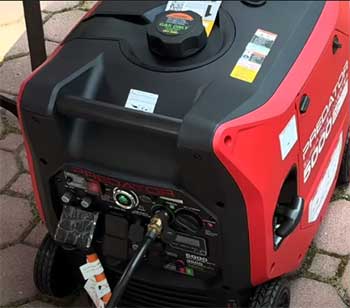
I remember the first time I had to rely on a portable generator for more than twenty-four hours during a summer blackout.
The humidity was suffocating, and the thought of losing everything in my refrigerator was stressful.
I initially picked up a Predator 3500 Inverter because everyone at the local hardware meetup called it the “blue collar Honda.”
The experience was surprisingly smooth.
It was incredibly quiet—so quiet that I could actually have a conversation standing three feet away from it.
It ran my fridge and a small window AC unit with ease, but I quickly realized that its simple interface lacked the “brain” I wanted for monitoring my fuel levels.
That led me to try a Westinghouse WGen9500DF for a larger property.
The difference in “user feel” was like moving from an old pickup truck to a modern SUV.
The Westinghouse came with a remote start key fob, which meant I could start the generator from my back porch without stepping out into the rain.
The digital data center was a game-changer for me.
Instead of guessing when the gas would run out, I could see the exact voltage and the remaining run time.
While the Predator felt like a sturdy, basic tool, the Westinghouse felt like a sophisticated home appliance designed for convenience.
Analytically, I found that the Predator is the better choice for someone who is mechanically inclined and wants a simple, high-value machine they can maintain themselves.
The engines are legendary for being “Honda clones,” meaning parts are cheap and easy to find.
However, the Westinghouse wins on pure convenience and modern features.
During a winter storm, the Westinghouse dual-fuel capability allowed me to run on propane, which is much easier to store long-term than gasoline.
If you want the lowest price per watt, you go Predator.
If you want a machine that makes a power outage feel like a minor inconvenience rather than a chore, you go Westinghouse.
Maintenance tips for a reliable generator
Your generator is an insurance policy, and an insurance policy is only good if it pays out when you need it. Follow these maintenance steps:
- Bold the fuel stabilization: Modern gasoline with ethanol will gum up a carburetor in as little as thirty days. Use a high-quality fuel stabilizer in every tank.
- Perform a break-in oil change: Change the oil after the first 5 to 8 hours of use. This is crucial for removing tiny metal shavings that accumulate during the engine’s initial run.
- Check the battery: If you have a Westinghouse with electric start, keep the battery on a trickle charger during the off-season so it doesn’t fail you in a storm.
- Clean the spark arrestor: This small screen in the muffler can get clogged with carbon, which will cause your engine to lose power or stall out.
- Exercise the unit monthly: Run your generator for twenty minutes every month under a 50% load. This keeps the seals lubricated and ensures the alternator is still generating power.
- Store in a dry place: Corrosion is the silent killer of generators. Keep your unit in a garage or shed, and never run it in the rain without a proper generator tent.
Pros and Cons of Predator Vs. Westinghouse
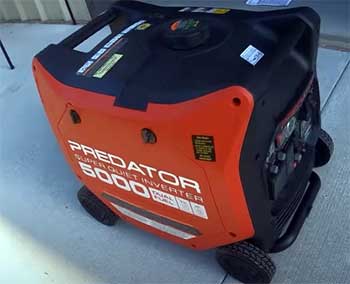
Pros of Predator
- Unbeatable Value: You are getting an engine that mimics high-end Japanese engineering for a fraction of the cost, making it the top choice for budget-conscious buyers.
- Bold the Inverter Technology: Their inverter models are exceptionally quiet and produce “clean” power, which is safe for charging your sensitive laptops and smartphones.
- Ease of Repair: Because these engines are so common, any local small-engine mechanic will know how to fix them, and replacement parts are available at almost any hardware store.
- Compact Design: Predator units tend to be slightly more compact and easier to store in a crowded garage or shed compared to some bulkier rivals.
- Reliable Pull Starts: Even on the models without electric start, the compression release on Predator engines makes them remarkably easy to pull-start on the first or second try.
- High Community Support: There is a massive online community of Predator owners who share tips on modifications, oil changes, and long-term maintenance.
Cons of Predator
- Short Standard Warranty: The 90-day warranty is quite stingy, and you often have to pay extra for a 1-year or 2-year protection plan to match what Westinghouse offers for free.
- Lack of “Smart” Features: You won’t find remote starts or advanced digital monitoring on most Predator models; they are built for simplicity, not high-tech convenience.
- Gasoline Dominance: While they have started introducing dual-fuel models, their most popular units are still gasoline-only, which can be a drawback if gas stations are closed.
- Limited Retail Options: You have to go to a physical Harbor Freight store or deal with their specific shipping if you need a replacement or an exchange.
- No Hour Meter: Most basic Predator units do not come with an hour meter, which makes it difficult to track exactly when you need to change the oil.
- Plastic Wheels: On the larger units, the wheels are often solid plastic and don’t handle rough terrain as well as the heavy-duty tires found on Westinghouse models.
Pros of Westinghouse
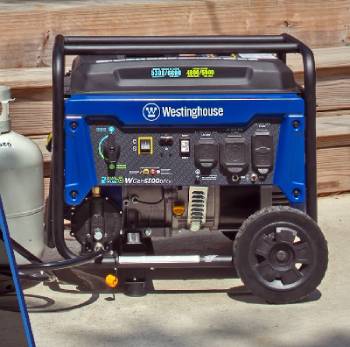
- Innovative Remote Start: The ability to fire up your generator from a distance is more than a luxury; it is a vital feature when you are dealing with bad weather or mobility issues.
- Bold the Dual-Fuel Versatility: Many Westinghouse models allow you to switch between gasoline and propane with the turn of a knob, giving you much more flexibility during fuel shortages.
- Comprehensive Warranty: A 3-year residential warranty provides significantly more peace of mind out of the box than the standard 90-day window offered by Harbor Freight.
- Sophisticated Data Center: The VFT (Voltage, Frequency, Time) display takes the guesswork out of maintenance and fuel management.
- Safety Features: Most modern Westinghouse units come equipped with an automatic low-oil shutdown and a carbon monoxide sensor for added home safety.
- Plug-and-Play Setup: They often include the oil, funnel, and tools in the box, making the assembly process take less than ten minutes for most users.
Cons of Westinghouse
- Higher Upfront Cost: You are going to pay a premium for those smart features and the longer warranty compared to the “no-frills” pricing of a Predator.
- Propane Power Drop: Like all dual-fuel units, you will lose about 10% to 15% of your total wattage when running on propane compared to gasoline.
- Battery Dependency: The electric and remote start features rely on a small battery that can die if the unit sits for months without being charged.
- Noise on Open-Frame Units: While their inverters are quiet, their large open-frame WGen units can be quite loud, potentially irritating neighbors in suburban settings.
- Heavier Frames: Because of the added features and dual-fuel plumbing, Westinghouse units are often heavier and more difficult to lift into a truck bed solo.
- More Complex Electronics: With more sensors and digital boards, there are more points of failure that might require a specialized technician rather than a general mechanic.
Also Read: My Thoughts On PREDATOR 9500 Inverter Generator
Predator Vs. Westinghouse: The analytical breakdown
When we look at these two brands analytically, we are comparing “Mechanical Simplicity” against “Electronic Sophistication.”
Predator is the king of Mechanical Simplicity.
By focusing on a tried-and-true engine design and stripping away the bells and whistles, they provide a machine that is rugged and affordable.
If you are a contractor or someone who doesn’t mind getting their hands dirty, the Predator is a fantastic tool.
It does exactly what it says on the tin without trying to be fancy.
Westinghouse is the king of Electronic Sophistication.
They have identified that the modern consumer wants a generator that feels like part of their smart home.
The integration of remote starts, VFT displays, and CO sensors makes their units much more approachable for the average family.
Analytically, Westinghouse is better for home backup because it reduces the “friction” of using a generator.
Predator is better for the job site or the DIYer who wants the most power for the least amount of money and doesn’t care about a remote control.
Also Read: Comparison Of DuroMax Vs. Westinghouse
Frequently Asked Questions (FAQs)
While Honda and Yamaha lead in premium reliability, Westinghouse and Predator are the most reliable options in the mid-range and budget categories respectively.
Predator generators are manufactured in China by companies like Loncin and Rato, who are well-known for producing high-quality engines for various global brands.
Yes, Westinghouse is widely regarded as one of the best brands for home backup due to their advanced features, dual-fuel options, and strong warranty support.
Westinghouse designs their own 4-stroke OHV engines, which are produced by their manufacturing partners in China to strict engineering specifications.
Final Thoughts
In the final comparison of Predator vs Westinghouse, your choice depends on whether you value a rock-bottom price or a high-tech experience.
If you want a simple, quiet, and incredibly affordable machine that you can maintain yourself, you should buy a Predator.
However, if you want a powerful, dual-fuel workhorse with remote start and a long warranty for your home, you should buy a Westinghouse.
I have found that both brands can be lifesavers, provided you take the time to maintain them and treat them with respect.
You should buy the generator that fits your lifestyle and your budget, because when the grid fails, your preparation is the only thing that will keep your home bright and safe.