You should buy the Pela phone case if you are a casual user who is deeply committed to a plastic-free lifestyle and plans to compost your accessory within a year, but you should avoid this product if you need long-term durability or a case that won’t stretch out and stain after a few months of use.
I have spent substantial time testing the Pela Case to see if its compostable claims are worth the steep price tag, but my findings suggest that the functional trade-offs are significant.
My intent is to provide an analytical Pela phone case review that balances its environmental mission against the real-world frustrations of poor fit and rapid degradation.
You will likely find that while the ethics are commendable, the actual user experience often falls short of the “premium” marketing.
My disappointing experience with Pela phone cases
I remember when I first unboxed my Pela case; I was genuinely impressed by the soft, earthy texture and the fact that it arrived in a simple paper envelope.
I am someone who tries to reduce my carbon footprint, so the idea of a 100% compostable case made from “Flaxstic” felt like a huge win for my values.
I started my journey with a beautiful lavender case, and I found that the initial hand-feel was incredibly grippy and comfortable compared to hard plastic.
I noticed that for the first few weeks, I was a proud advocate, telling everyone that my phone case would eventually become dirt in my garden.
I noticed a shift in my perspective after only two months of daily carry. I am a frequent walker, and I often slide my phone into my jeans pocket; I found that the porous material began to absorb the blue dye from my denim almost immediately.
I started to see a dingy, greyish-blue stain around all the edges that no amount of scrubbing with mild soap could remove.
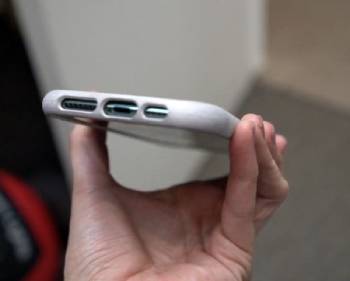
I found that the “softness” I initially loved was actually a sign of structural weakness, as the thin bridge of material near the charging port began to sag and eventually tore.
I noticed that the fit became increasingly loose, to the point where my phone would actually wiggle inside the case when I pressed the volume buttons.
I think it is vital for you to know that the protection level feels much lower than advertised once the material begins to soften.
I found that after a minor drop from a coffee table, the case “gave” so much that the corner of my phone actually popped out upon impact.
I began to feel like I was paying a premium price for a product that was essentially designed to fail, which feels counter-intuitive to the goal of sustainability.
I noticed that when I reached out to customer service about the stretching issue, the response time was slow, and I was told that “natural wear” is to be expected with bioplastics.
I ended my testing realizing that while the concept is beautiful, the execution lacks the longevity required for a device that most people keep for two to four years.
Maintenance Tips for Your Pela Case
- Wash with Warm Water and Baking Soda Monthly: You should realize that your skin oils will eventually cause the bioplastic to feel tacky or look dark. Creating a gentle paste with baking soda is the best maintenance tip for lifting surface stains without using harsh chemicals that could compromise the compostable nature of the shell, which is an analytical necessity for light colors.
- Avoid Tight Pockets with New Denim: You should notice that indigo dye transfer is almost permanent on a Pela case. Being mindful of what you wear is the best maintenance tip for preventing that dingy blue “pocket stain,” which is the smartest choice if you want your pastel or white case to stay vibrant for more than a few weeks.
- Trim Any Small Tears with Precision Scissors: You should realize that a tiny split at the charging port will quickly turn into a full-blown tear if the material is allowed to snag. Using sharp scissors to clean up frayed edges is the best maintenance tip for slowing down the structural failure of the case, though it won’t stop the inevitable stretching over time.
- Keep the Case Away from High Heat: You should avoid leaving your phone on a sunny windowsill or near a heater. Heat accelerates the breakdown of plant-based polymers, and I found that excessive warmth makes the “stretching” issue significantly worse, which is a vital rule for keeping the fit as snug as possible.
- Dry the Case Completely Before Snapping it Back On: You should realize that moisture trapped between the phone and the porous flax material can create a breeding ground for bacteria. Air-drying the case for at least twenty minutes after cleaning is the best maintenance tip for ensuring your device stays clean and the material doesn’t become overly soft.
- Use a Soft-Bristled Toothbrush for Etched Designs: You should realize that the beautiful engravings on the back are magnets for pocket lint and crumbs. A quick dry-brushing once a week is the best maintenance tip for keeping the artwork looking sharp and preventing the buildup of grime that can make the case feel unsanitary.
Pros and Cons of Pela Cases
Pros of Pela Cases: Why some people still love them:
- Truly Plastic-Free and Compostable: They are the pioneers of the 100% compostable movement: you can actually throw this in a home compost bin: this is an analytical advantage for zero-waste purists: I found that it does break down as promised under the right microbial conditions.
- Exceptional Tactile Grip: The material has a unique: non-slip texture that feels great in the hand: it isn’t “sticky” like silicone but provides a secure hold: I noticed it never slides off a slanted dashboard or a smooth table.
- Environmentally Conscious Branding: Every purchase supports a B-Corp company that gives back to ocean cleanup and environmental non-profits: this provides a “feel-good” factor that major plastic brands lack: I found the community aspect of the brand to be very engaging.
- Minimalist and Stylish Designs: They offer a wide range of colors and beautiful: etched illustrations: I noticed the “Bee” and “Wave” designs are particularly eye-catching: this allows you to maintain a unique look without using traditional toxic dyes.
Cons of Pela Cases: A detailed breakdown of the flaws:
- Significant Stretching and Fitment Issues: the plant-based polymers lack the “memory” of traditional plastic: I noticed the edges around the screen began to flare outward after just three months: this results in a loose fit that lets dust and grit get trapped against the phone’s finish.
- Susceptibility to Staining and Discoloration: the porous nature of the flax material means it acts like a sponge for oils and dyes: light colors will turn yellow or blue from your clothing: I found that this makes the case look “dirty” and “cheap” very quickly: this is an analytical indicator of poor material density.
- Low Durability and Structural Tearing: the material is prone to splitting: especially near the thin cutouts for the speakers and charging port: I noticed many users reporting the case literally falling apart within six months: this results in a higher replacement frequency: which paradoxically increases environmental waste.
- Lack of MagSafe Magnet Strength: while they offer MagSafe-compatible versions: the magnets are often weak or require an additional stick-on module: I found that my wallet attachment would slide off with the slightest nudge: this is a major drawback for those who rely on a magnetic ecosystem.
- Premium Price for a Short-Term Product: charging $50 to $60 for a case that may only last a year is a hard sell: I found that the “cost per month” of ownership is much higher than that of a durable plastic case: this results in a poor value proposition for the average consumer.
Pela Vs. Other Brands
- Pela Vs. OtterBox
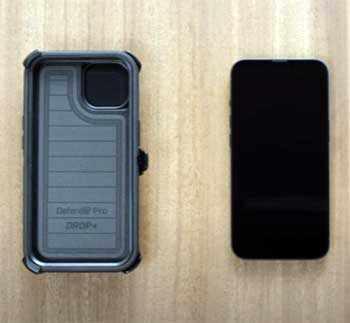
OtterBox is the industry standard for rugged protection, and there is almost no comparison when it comes to durability.
I have found that an OtterBox Defender will easily outlast the phone it protects, whereas a Pela case is lucky to survive a single year.
Analytically, OtterBox uses hard polycarbonate and synthetic rubber that provides vastly superior impact resistance.
I noticed that while OtterBox has started using recycled plastics, they are nowhere near as “green” as Pela’s compostable mission.
Choose OtterBox if you drop your phone on gravel or concrete, but only choose Pela if the environmental impact of your trash is more important to you than the safety of your device.
- Pela Vs. Casetify
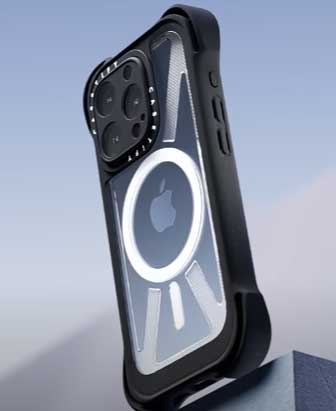
Casetify has become the go-to for trend-focused users, but they also have a “Re/CASETiFY” line that uses recycled cases.
I have found that Casetify cases feel much more rigid and “premium” in the hand, and their prints do not peel as easily as the designs on some bioplastics.
Analytically, Casetify offers military-grade drop protection that Pela simply cannot match with its soft flax structure.
I noticed that Casetify is much more expensive, but the case stays looking new for a much longer period.
Choose Casetify if you want a stylish case that actually protects against major falls, but go with Pela if you want a completely plastic-free end-of-life cycle.
- Pela Vs. Nomad
Nomad is famous for its high-end leather and rugged sport cases that cater to the “adventure” and “professional” crowds.
I have found that Nomad’s Horween leather cases develop a beautiful patina over time, while Pela cases just get “dirty.”
Analytically, Nomad’s construction is much tighter, with zero issues of stretching or sagging around the screen edges.
I noticed that Nomad focuses on a “technical” aesthetic that feels much more durable and reliable than Pela’s earthy vibe.
Choose Nomad for a professional, long-lasting look, and avoid Pela if you hate the idea of your case losing its shape.
- Pela Vs. Spigen
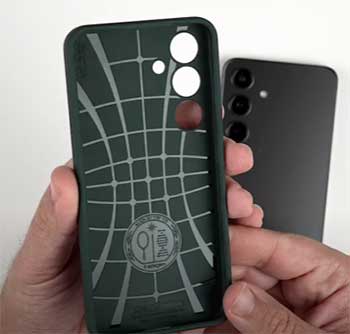
Spigen is the king of value, offering decent protection for a fraction of the price of a Pela case.
I have found that even the cheapest Spigen case offers better button tactility and a more secure fit than the compostable alternatives.
Analytically, Spigen uses TPU which is not eco-friendly, but it is incredibly resilient and does not stain or tear with normal use.
I noticed that you could buy three Spigen cases for the price of one Pela, which makes the “sustainability” of Pela a harder financial pill to swallow.
Choose Spigen for a reliable, “set it and forget it” experience, but choose Pela only if you are willing to pay the “eco-tax” for a plant-based product.
- Pela Vs. CASETiFY (Impact Series)
The Impact Series from CASETiFY is designed to be eco-conscious by using “QiTech” material made from recycled cases and plant-based liquids.
I have found that this hybrid approach offers a better balance of protection and sustainability than Pela’s pure flax approach.
Analytically, the CASETiFY case is much more effective at dispersing the force of a drop because of its reinforced corners.
I noticed that while it isn’t 100% compostable like Pela, it is designed to be much more durable, which may actually be better for the planet in the long run by reducing consumption.
Choose CASETiFY Impact if you want a recycled product that still acts like a high-performance case, and skip Pela if you have “drop anxiety.”
Frequently Asked Questions (FAQs)
Analytically, they are “good” for the environment but “mediocre” for phone protection; while they prevent scratches, the material’s tendency to stretch and tear means they are not a reliable long-term solution for most users.
Pela is a soft, compostable lifestyle accessory, whereas OtterBox is a heavy-duty protective tool; OtterBox wins on durability and customer service, while Pela wins only on environmental ethics and hand-feel.
In 2026, brands like Mous, Nomad, and Urban Armor Gear (UAG) are generally recognized for the highest quality materials and tightest manufacturing tolerances, consistently outperforming “eco” brands in durability tests.
No, they are a legitimate B-Corp with transparent composting claims, but some argue that a product which fails quickly and requires frequent replacement is a form of “lifestyle greenwashing” that ignores the impact of frequent shipping and manufacturing.
Final Thoughts
You should only buy the Pela phone case if you are prepared to replace it within six to twelve months and you view your phone case as a “consumable” rather than a permanent piece of hardware.
I have found that the stretching and staining issues make it very difficult to justify the high price tag for anyone who isn’t a dedicated minimalist or environmental activist.
However, you should avoid this product if you want a case that remains snug and looks clean for the entire two-year lifespan of your device.
I believe that true sustainability often means buying one high-quality, durable item that lasts for years, rather than a “green” item that falls apart in months.
You are the one who has to carry this every day, and if you are constantly frustrated by a sagging case, the environmental benefits will quickly be overshadowed by the functional flaws.