You should choose between the OtterBox Defender and the Defender XT based on whether you prioritize maximum rugged bulk or a modern, MagSafe-compatible slimness.
I have found that while the original Defender remains the king of impact absorption for construction sites, the Defender XT is the superior choice for you if you want that legendary protection without the pocket-stretching width.
In this comparison, I will help you decide which of these heavy-duty shields is the right investment for your daily carry.
Quick Comparison Table: Defender Vs. Defender XT
| Feature | OtterBox Defender | OtterBox Defender XT |
| Construction | 3-Layer (Shell, Slipcover, Holster) | 2-Layer (Internal Frame + Shell) |
| Drop Rating | 4X-5X Military Standard | Up to 7X Military Standard |
| MagSafe | Optional (Specific Models Only) | Built-in Magnets (Standard) |
| Port Covers | Full Rubber Flaps | Integrated Rubber Flaps |
| Bulk Level | High (The “Brick” Feel) | Moderate (Streamlined) |
| Holster | Included in Box | Sold Separately / Free via Promo |
| Best For | Extreme Environments | Daily Urban Adventure |
My Personal Experience with the Defender Evolution
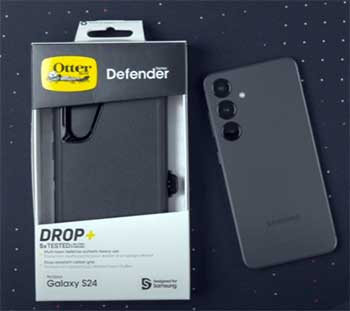
I remember the first time I snapped a classic OtterBox Defender onto my phone; I felt like I was putting my device into a literal tank.
I am a person who has accidentally dropped my phone off a second-story balcony and watched it bounce harmlessly because of that thick rubber slipcover.
I started using the Defender Series over a decade ago when the cases still came with those thick plastic screen protectors that made typing feel like a chore.
I found that the original Defender was always the “gold standard” for peace of mind, but it came with a significant cost: my phone no longer fit in my skinny jeans, and it weighed down my gym shorts like a lead weight.
I realized, however, that the world changed when MagSafe became a necessity for my daily charging routine.
I am someone who relies on magnetic car mounts and wallet attachments, and I eventually found that the classic Defender’s thick back plate was too much of a barrier for a strong magnetic connection.
I started testing the Defender XT about two years ago, and I noticed right away that the “hand-feel” was completely different.
I found that the XT feels like a bridge between the bulky Defender and the slim Symmetry series.
It has a rigidity that the original lacks because of its internal pressure-fitted frame, which I noticed makes the phone feel more like a solid tool and less like a toy wrapped in a balloon.
I eventually took both cases on a hiking trip last year to see how they handled real-world grit.
I noticed that the original Defender is still the better “gasket” case; the way the rubber outer layer wraps around the hard inner shell makes it nearly impossible for dust to find its way to the glass.
I found that the Defender XT, while extremely tough, has a thinner profile that makes it easier to slide in and out of a pocket during a climb.
I finished my trial preferring the XT for my urban life, but I still keep the original Defender in my glove box for those days when I’m doing heavy DIY projects or outdoor work.
I realized that the “Defender” name has evolved from a specific design into a promise of durability, and you really have to decide if you want the classic three-piece armor or the modern, magnetic dual-layer tech.
Maintenance Tips for Your OtterBox Case
- Clean the Inner Shell Every Two Weeks: You should realize that fine grains of sand can get trapped between the phone and the case. Removing the case and wiping the interior with a microfiber cloth is the best maintenance tip for preventing micro-scratches, which I found keeps the phone’s finish in showroom condition.
- Use a Q-Tip for the Port Flap Crevices: You should notice that the areas around the port covers are magnets for lint. Running a dry cotton swab through the gaps is the best maintenance tip for connectivity, which results in a charging port that never fails because of debris buildup.
- Apply a Small Amount of Isopropyl Alcohol for Stains: You should realize that the rubber on the Defender can absorb oils and dye from jeans. Wiping the exterior with a 70% alcohol solution is the best maintenance tip for appearance, which I found restores the original color and removes that “sticky” feeling that develops over time.
- Check the Rubber Tension Regularly: You should notice if the corners of your Defender are starting to pull away. Pressing the edges back into the plastic grooves daily is the best maintenance tip for structural integrity, which provides a secure “seal” that prevents the phone from shifting inside during an impact.
- Avoid Over-Stretching the Charging Flap: You should realize that if you leave a thick cable plugged in at an angle, the rubber flap will eventually lose its “memory.” Using a straight, slim cable is the best maintenance tip for longevity, which I found prevents the flap from sticking out awkwardly and catching on things.
- Buff the XT Back Panel with Plastic Polish: You should notice that the clear or smooth back of the Defender XT will eventually develop fine scratches. Using a mild plastic polish once every few months is the best maintenance tip for clarity, which results in a case that continues to show off your phone’s color effectively.
Pros and Cons of the OtterBox Defender Series
Pros of the OtterBox Defender Series
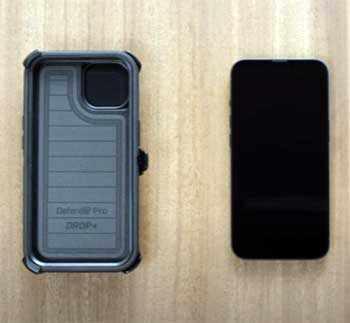
- Absolute Multi-Layer Armor Protection: It features a rigid internal polycarbonate shell paired with a synthetic rubber slipcover: I found that this combination absorbs the initial impact and then disperses the vibration away from the hardware: this results in a phone that can survive repeated drops onto concrete: I noticed that even after years of use, the phone inside looks brand new.
- Tactile and High-Friction Grip: It utilizes a soft-touch rubber exterior that covers nearly 90% of the case: I found that the phone never slides off a car dashboard or a slanted table: this provides a secure hold even when your hands are sweaty or wet: I noticed it is much easier to hold for long periods without fatigue.
- Included Versatile Belt Clip Holster: It comes with a rugged plastic holster that doubles as a hands-free kickstand: I found this essential for watching videos on a plane or keeping the phone accessible on a tool belt: this results in added value since you don’t have to buy a separate stand: I noticed the clip is incredibly strong and never accidentally detaches.
- Superior Port and Button Protection: It features deep rubber flaps that seal the charging port and mute switch: I found that pocket lint and sawdust are completely blocked from entering the device: this provides a “weather-resistant” feel for people who work in dusty environments: I noticed the buttons remain clicky and responsive despite the thick covering.
- Time-Tested Durability and Brand Trust: It has been the flagship rugged case for nearly twenty years: I found that the warranty process for the Defender is seamless and the company stands by the product: this results in a high resale value for your phone later on: I noticed the design is iconic and recognizable as a “safety first” choice.
Cons of the OtterBox Defender Series: The analytical drawbacks:
- Massive Physical Bulk and Weight: because the three-layer design adds significant width and depth to the phone’s footprint: I found that it makes one-handed texting nearly impossible for those with smaller hands: this results in a “brick-like” sensation in your pocket: I noticed it can make some tight pockets bulge awkwardly.
- Compatibility Issues with MagSafe Accessories: because the thick polycarbonate back prevents a strong magnetic bond: I found that my MagSafe wallet would frequently fall off when using this case: this provides a frustrating experience for those who have invested in a magnetic ecosystem: I noticed it requires a very specific (and often more expensive) MagSafe version to work at all.
- The Rubber Slipcover Stretches Over Time: because the outer silicone-like layer is meant to be flexible for installation: I found that after about a year of pulling it in and out of pockets, the edges can start to sag: this results in a less secure fit and a “loose” feeling around the charging port: I noticed it can collect hair and lint like a magnet.
- Complex Installation and Removal Process: because you have to snap together multiple plastic pieces before pulling the rubber over the edges: I found that cleaning the phone requires a five-minute struggle with the case: this provides an annoyance for people who like to swap cases frequently: I noticed that using a coin or a pry tool is often necessary to get it open.
- Muffled Audio and Microphone Quality: because the thick port covers and deep recesses can sometimes block the speaker grilles: I found that I had to speak louder during speakerphone calls for the other person to hear me: this results in a slight degradation of the phone’s native hardware performance: I noticed some third-party charging cables won’t fit through the narrow port flap.
Also Read: My Thoughts On Pela Phone Case
Pros and Cons of the OtterBox Defender XT Series
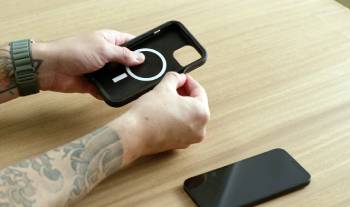
Pros of the OtterBox Defender XT Series
- Seamless Integrated MagSafe Functionality: It features built-in magnets that align perfectly with chargers and mounts: I found the magnetic pull to be even stronger than a naked phone in some instances: this results in a flawless connection for car docks and battery packs: I noticed it works with every magnetic accessory I own.
- Streamlined and Pocket-Friendly Profile: It utilizes a dual-layer design that is noticeably thinner than the original Defender: I found that it slides into jeans without any friction or grabbing: this provides a much more modern aesthetic that doesn’t hide the phone’s design: I noticed it feels about 20% lighter in the hand.
- Internal Pressure-Fitted Frame Design: It features a hard internal frame that “locks” the phone into the outer shell: I found this prevents the phone from popping out of the case during a high-velocity drop: this results in a rigid structure that doesn’t flex or creak: I noticed the fit is much tighter than the classic rubber-wrapped model.
- Enhanced Drop Rating Performance: It is tested to withstand up to 7X as many drops as the military standard: I found that despite being thinner, the reinforced corners provide incredible shock absorption: this provides a high level of confidence for “butterfinger” moments: I noticed the back panel feels more impact-resistant.
- Modern Material and Color Options: It is available in clear, translucent, and marbled finishes that show off the phone’s color: I found this much more stylish than the solid, muted colors of the original line: this results in a case that looks high-end rather than purely industrial: I noticed the plastic back is treated to resist yellowing over time.
Cons of the OtterBox Defender XT Series: The analytical drawbacks:
- Susceptibility to Scratches on the Back Panel: because the XT uses a smoother, harder plastic on the rear to facilitate MagSafe: I found that it shows scuffs and “swirl marks” after just a few weeks of being on a desk: this results in a case that looks “worn” faster than the rubberized original: I noticed that keys in the same pocket can leave permanent marks.
- Lack of an Included Holster: because the XT is marketed as a more lifestyle-oriented case: I found that I had to pay extra for a belt clip or wait for a mail-in promo: this provides a lower overall value compared to the “all-in-one” package of the original Defender: I noticed many users are surprised when the box arrives without the clip.
- Reduced Grip Compared to Rubber Slipcovers: because the sides are a more durable, firm material rather than soft silicone: I found that it can be slightly more slippery when my hands are bone-dry: this results in a higher chance of the phone sliding off a smooth surface: I noticed the texture is “grippy” but not “sticky.”
- Difficult Initial Snap-In Installation: because the internal frame is very rigid and requires precise alignment: I found that I had to apply a lot of pressure to get the phone to seat correctly: this results in a fear that I might scratch the phone’s bezel during the process: I noticed that removing it for cleaning is equally difficult.
- Exposed Sections Around New Buttons: because some versions of the XT have larger cutouts for the newer “capture” or “action” buttons: I found that dust can accumulate in the gaps where the case doesn’t perfectly seal: this provides a vulnerability that the original Defender’s full flaps avoid: I noticed a “dust ring” forming around my camera lens over time.
Also Read: Comparison Of Otterbox Defender Vs. Spigen Tough Armor
Frequently Asked Questions (FAQs)
It is a modernized, slimmer version of the classic Defender that features a dual-layer design and built-in MagSafe magnets for seamless accessory compatibility.
The Defender Pro usually adds an antimicrobial coating and a slightly more textured grip compared to the standard Defender, though both offer similar three-layer bulk.
Symmetry is the slimmest and most stylish; Commuter is a two-piece mid-range option; Defender is the bulky, heavy-duty choice; and Defender XT is the MagSafe-optimized rugged case.
While it is much thinner than the original Defender, it is still considered a “rugged” case and will feel significantly larger than a standard silicone or slim plastic cover.
Final Thoughts
You should buy the OtterBox Defender XT if you want the best of both worlds: a case that is tough enough for a 7-foot drop but thin enough to work perfectly with your MagSafe charger.
I have found that for the modern user, the original Defender is often “too much case” for a device that is already quite large.
However, you should stick with the classic Defender if you work in an environment where dust and heavy impacts are a daily reality.
I believe that for 90% of people, the Defender XT offers the more refined, analytical balance of protection and utility.
Protect your investment wisely!